out of choreography
out of choreography
Overview
Outside the Choreography is a video project that explores the tension between mechanical repetition and organic disruption through a collective visual narrative and "imaginary projections".
Outside the Choreography is a video project that explores the tension between mechanical repetition and organic disruption through a collective visual narrative and "imaginary projections".
Services
audiovisual
video production
photos and video editing
after effects
Services
audiovisual
video production
photos and video editing
after effects
Year
2025
Year
2025
Timeline
2 weeks
Timeline
2 weeks
Subject
communication design II - FBAUL
Subject
communication design II - FBAUL
About this project
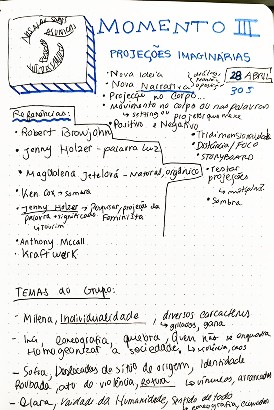
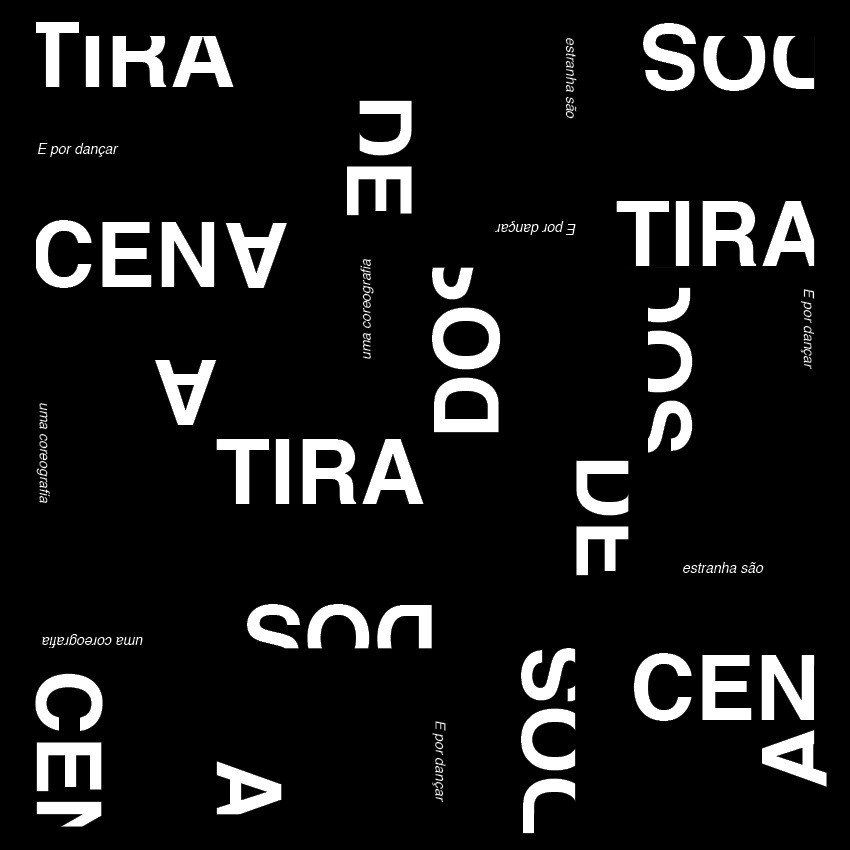
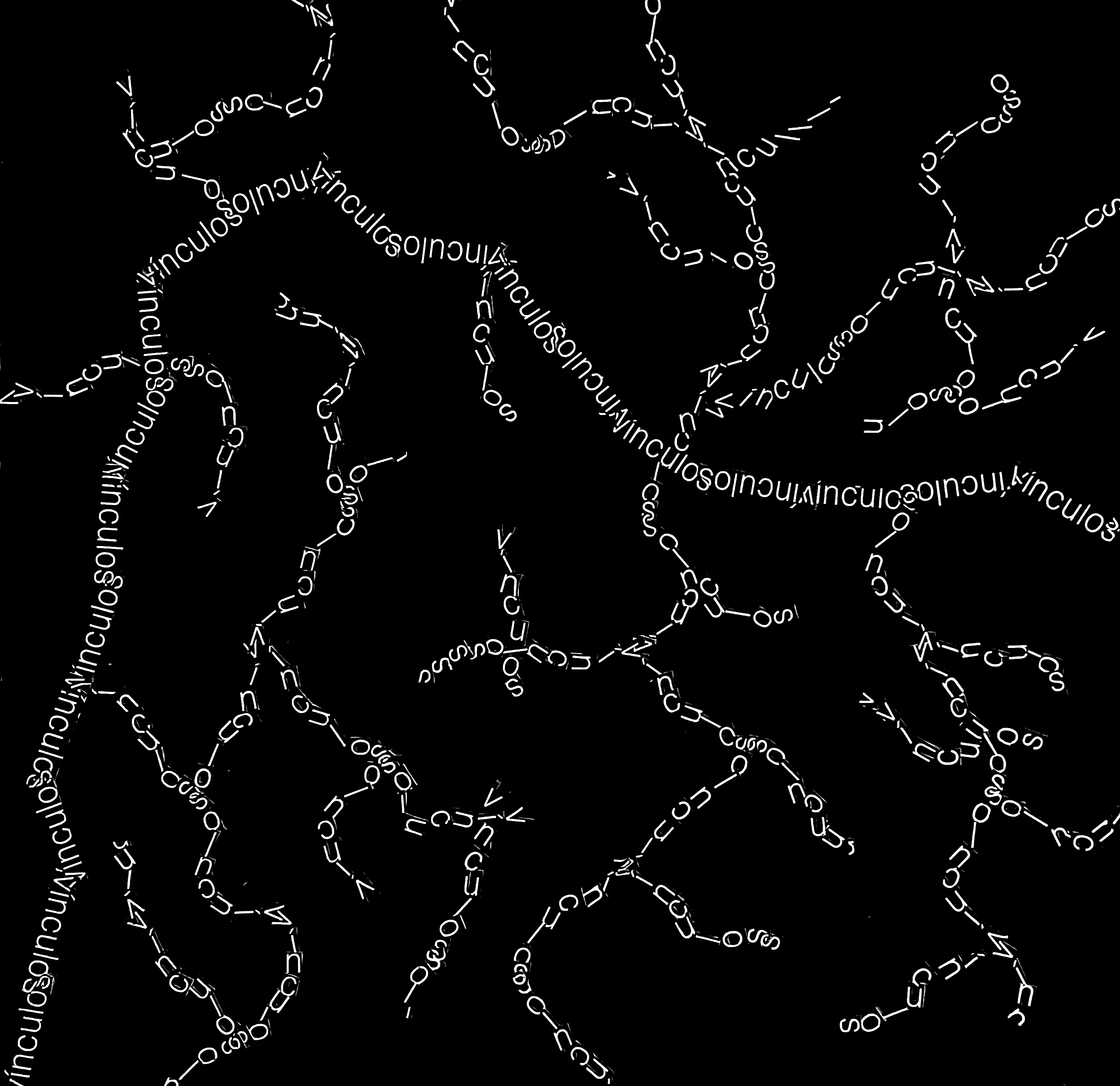
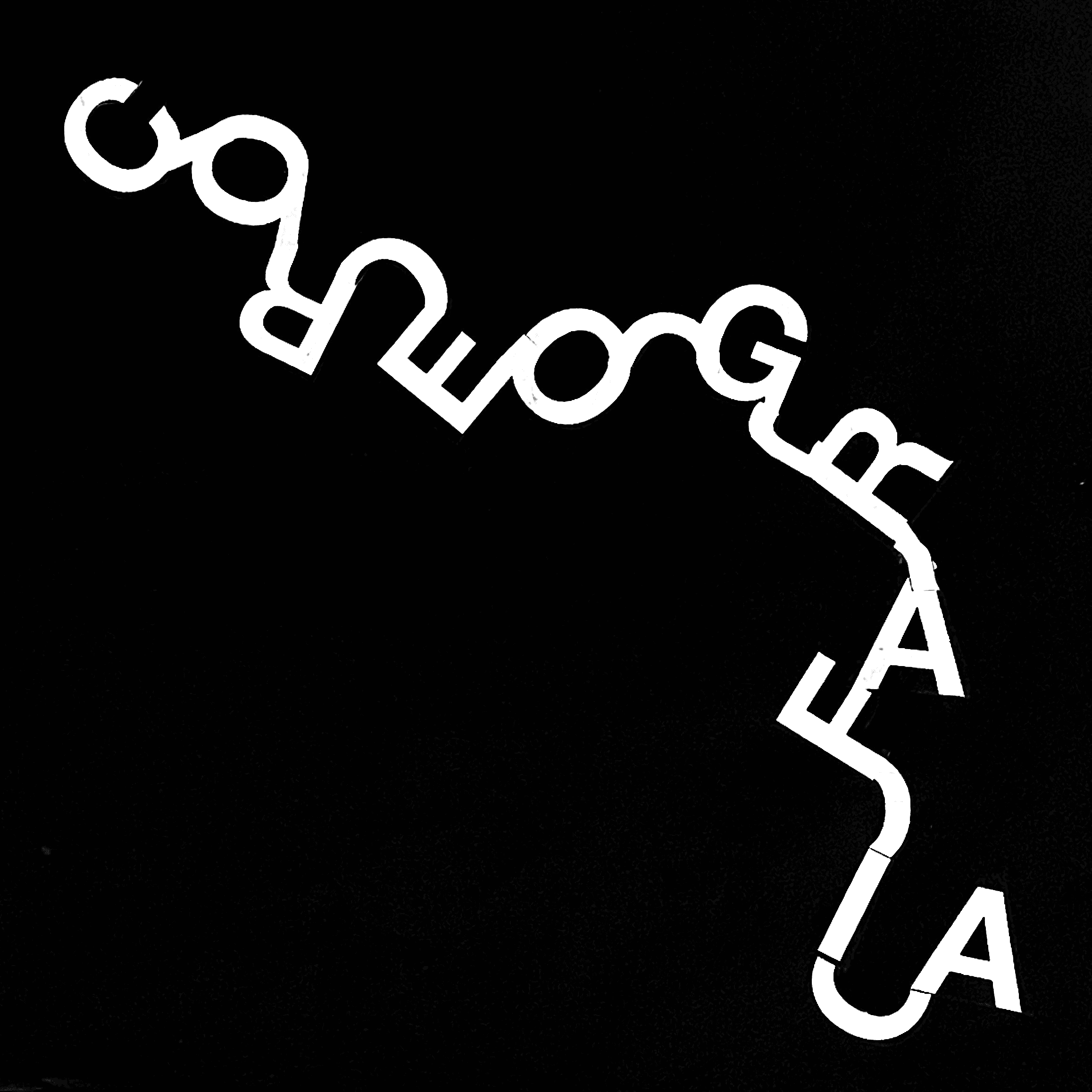
Developed as part of a group project in Communication Design, with Inês Almeida, Clara Morais and Milena Lima, this work brings together individual typographic compositions into a collective visual system.
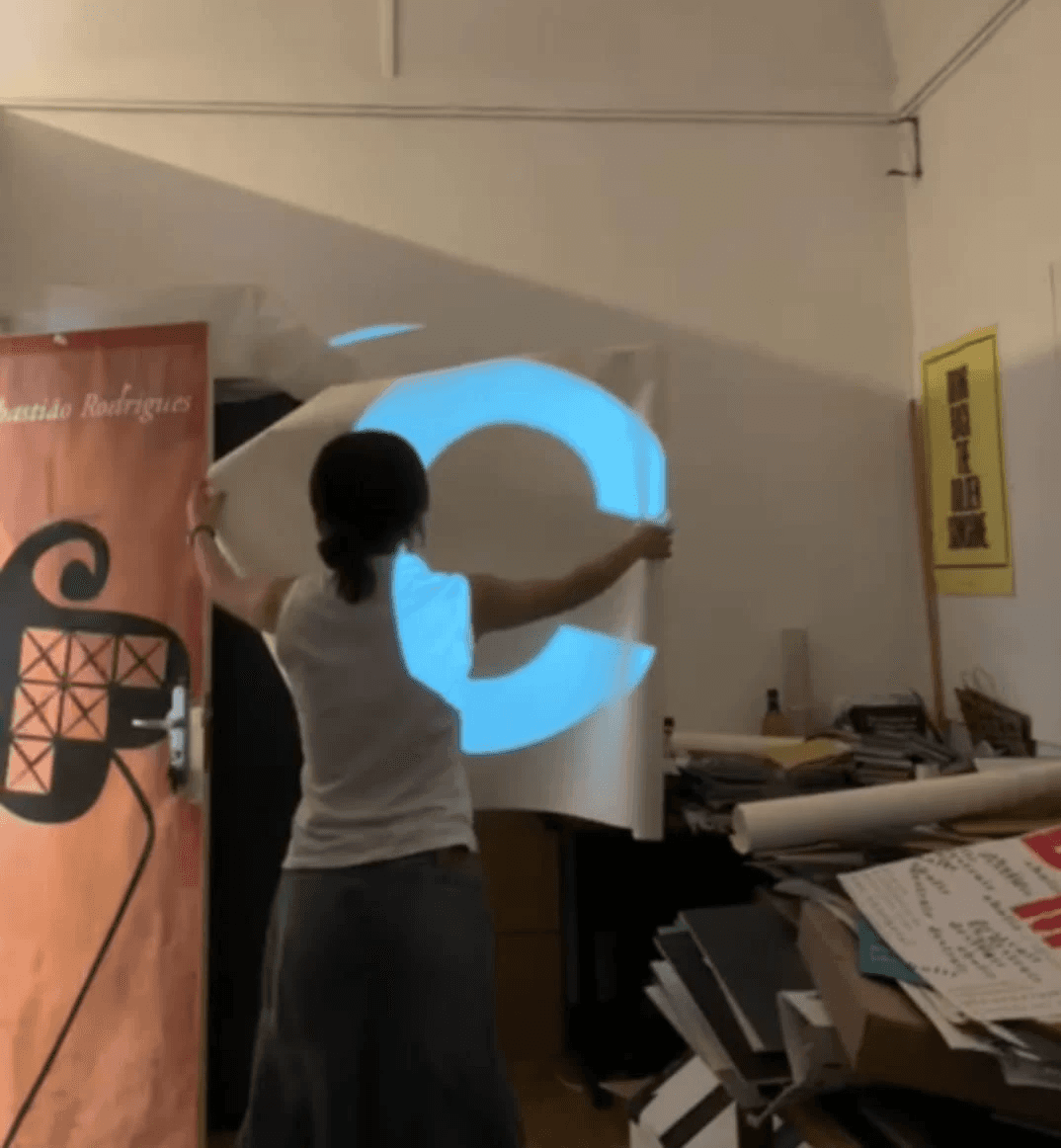
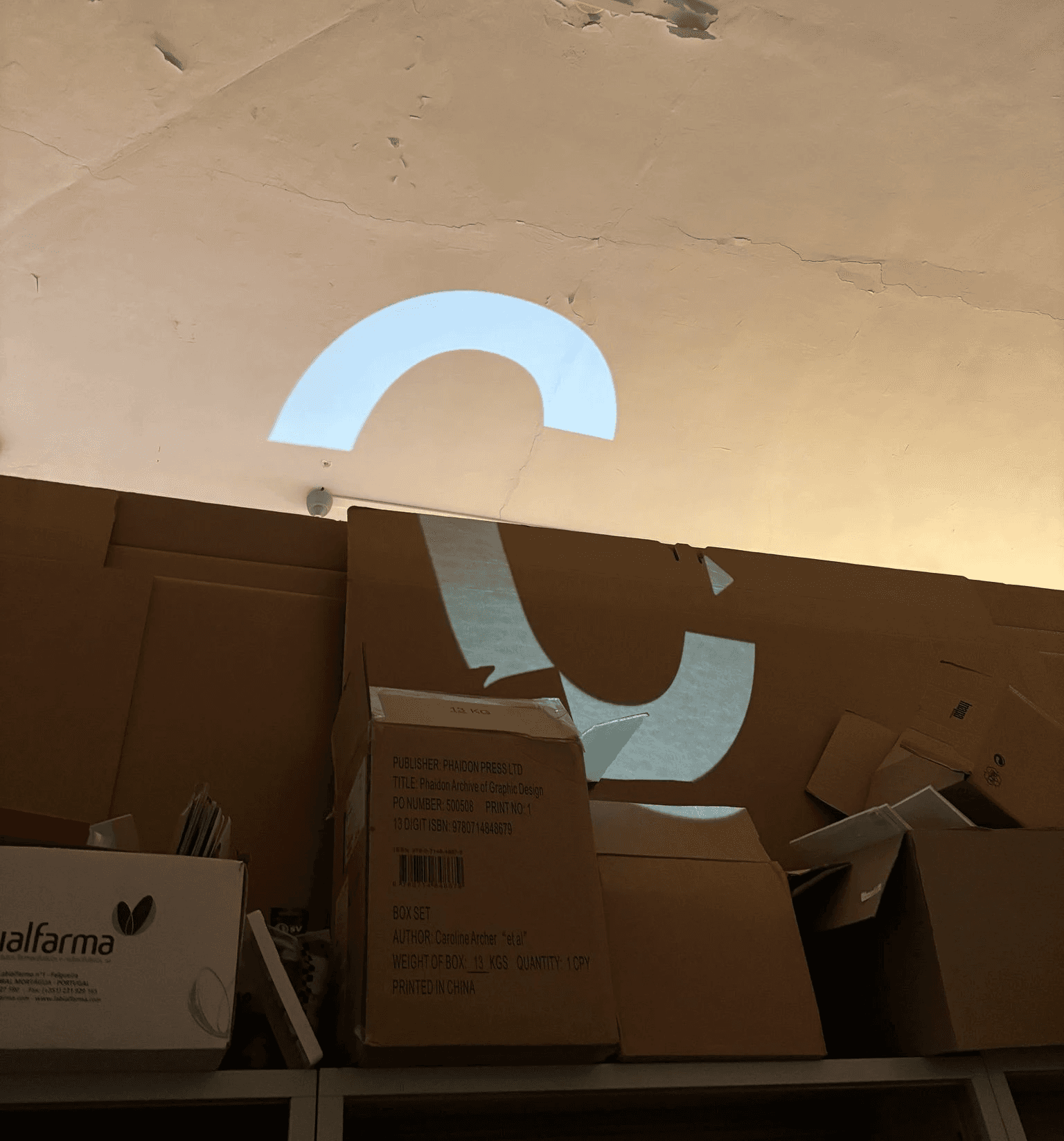
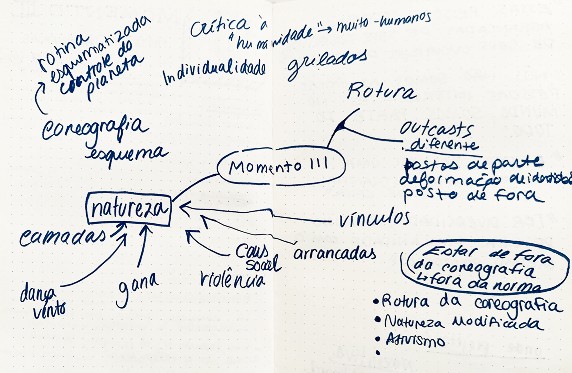
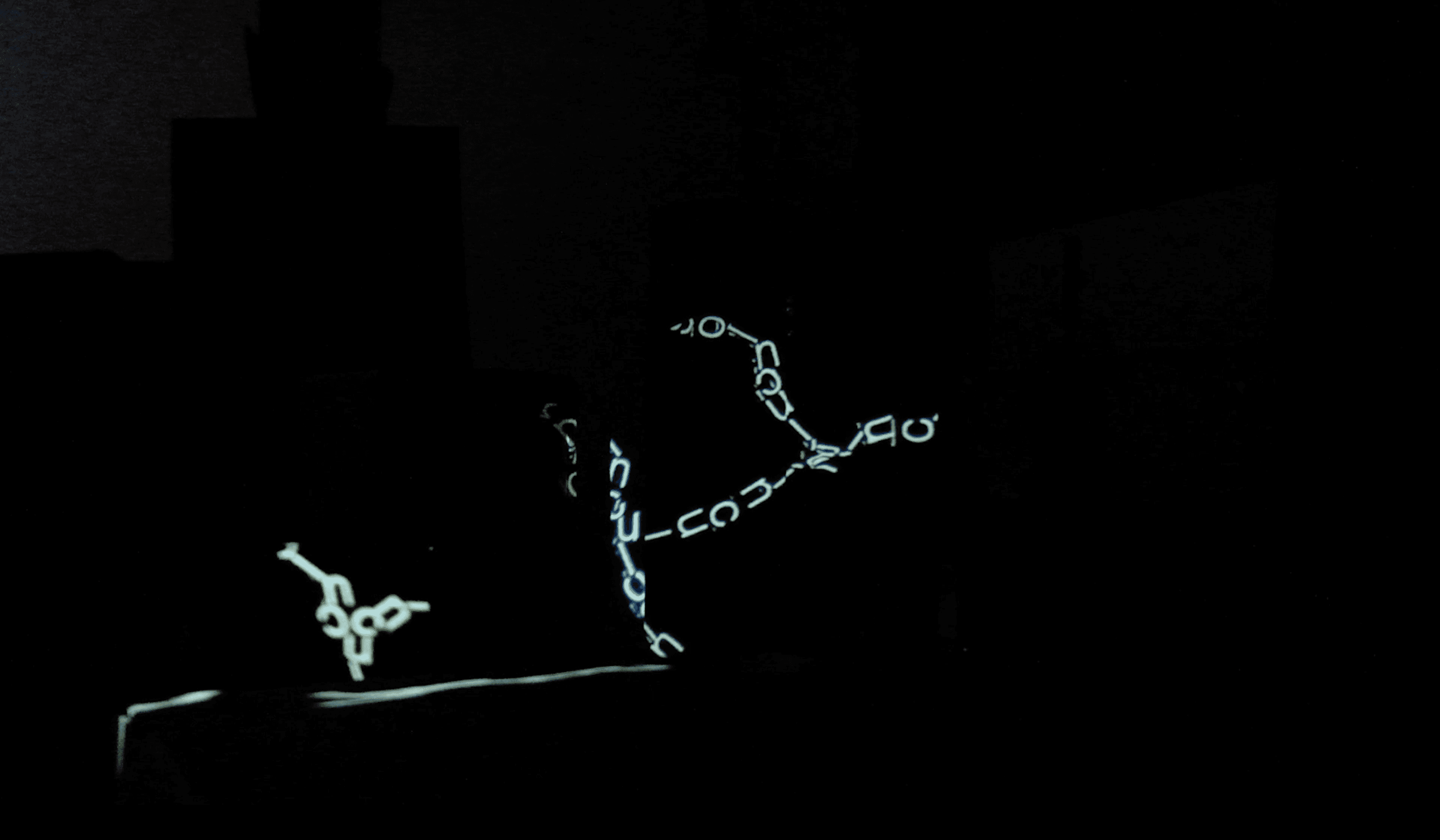
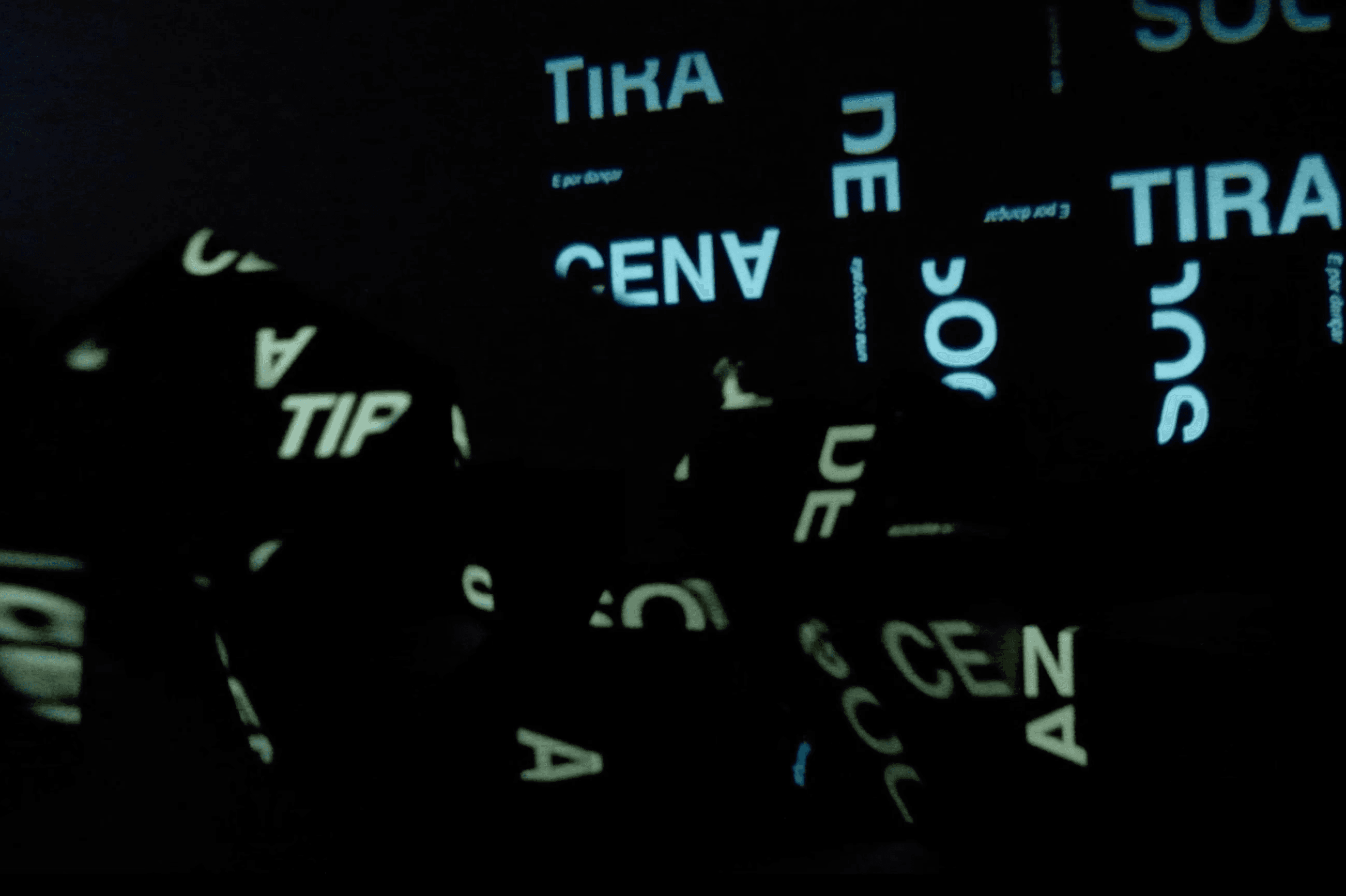
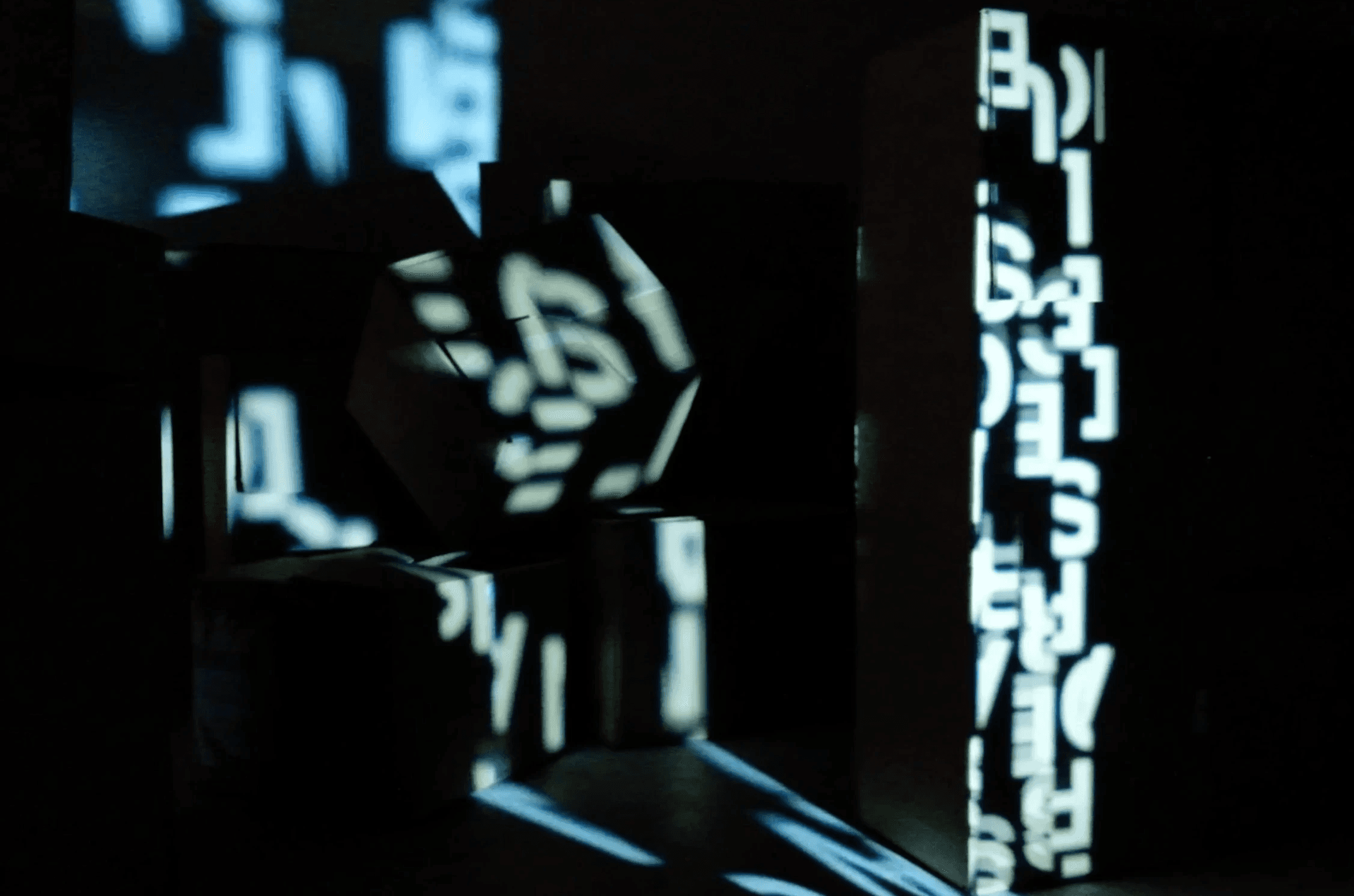
The final piece takes the form of a video composed of black-and-white projections onto cardboard boxes and human bodies. The boxes function as modular structures, creating a controlled and rigid spatial composition that reflects the idea of a mechanized system. Inspired by Ailton Krenak’s metaphor of humanity as a choreographed and mechanized structure, the project explores the emergence of an alternative, organic choreography that resists and destabilizes this system.
Developed as part of a group project in Communication Design, with Inês Almeida, Clara Morais and Milena Lima, this work brings together individual typographic compositions into a collective visual system.
The final piece takes the form of a video composed of black-and-white projections onto cardboard boxes and human bodies. The boxes function as modular structures, creating a controlled and rigid spatial composition that reflects the idea of a mechanized system. Inspired by Ailton Krenak’s metaphor of humanity as a choreographed and mechanized structure, the project explores the emergence of an alternative, organic choreography that resists and destabilizes this system.
Problem
The main challenge was to merge multiple individual compositions into a coherent visual and temporal narrative, while maintaining consistency across different surfaces and interactions. It also required translating an abstract concept, the tension between mechanical and organic systems, into both visual and sonic language.
Additionally, working with physical structures such as cardboard boxes introduced the challenge of using them as both compositional elements and symbolic representations of rigidity, while allowing their transformation and eventual collapse.
The main challenge was to merge multiple individual compositions into a coherent visual and temporal narrative, while maintaining consistency across different surfaces and interactions. It also required translating an abstract concept, the tension between mechanical and organic systems, into both visual and sonic language.
Additionally, working with physical structures such as cardboard boxes introduced the challenge of using them as both compositional elements and symbolic representations of rigidity, while allowing their transformation and eventual collapse.
Solution
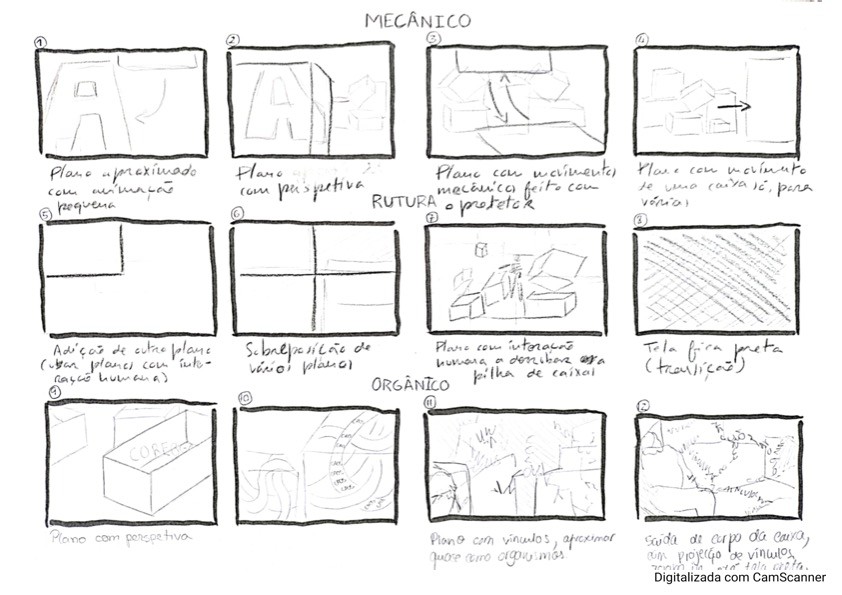
The project uses cardboard boxes as modular units to construct a rigid and repetitive visual system, reinforcing the idea of a controlled, mechanized choreography. Projections mapped onto these surfaces create structured compositions defined by rhythm, repetition, and order. This mechanical system is reinforced through sound, initially composed of rhythmic, machine-like elements that emphasize repetition and control.
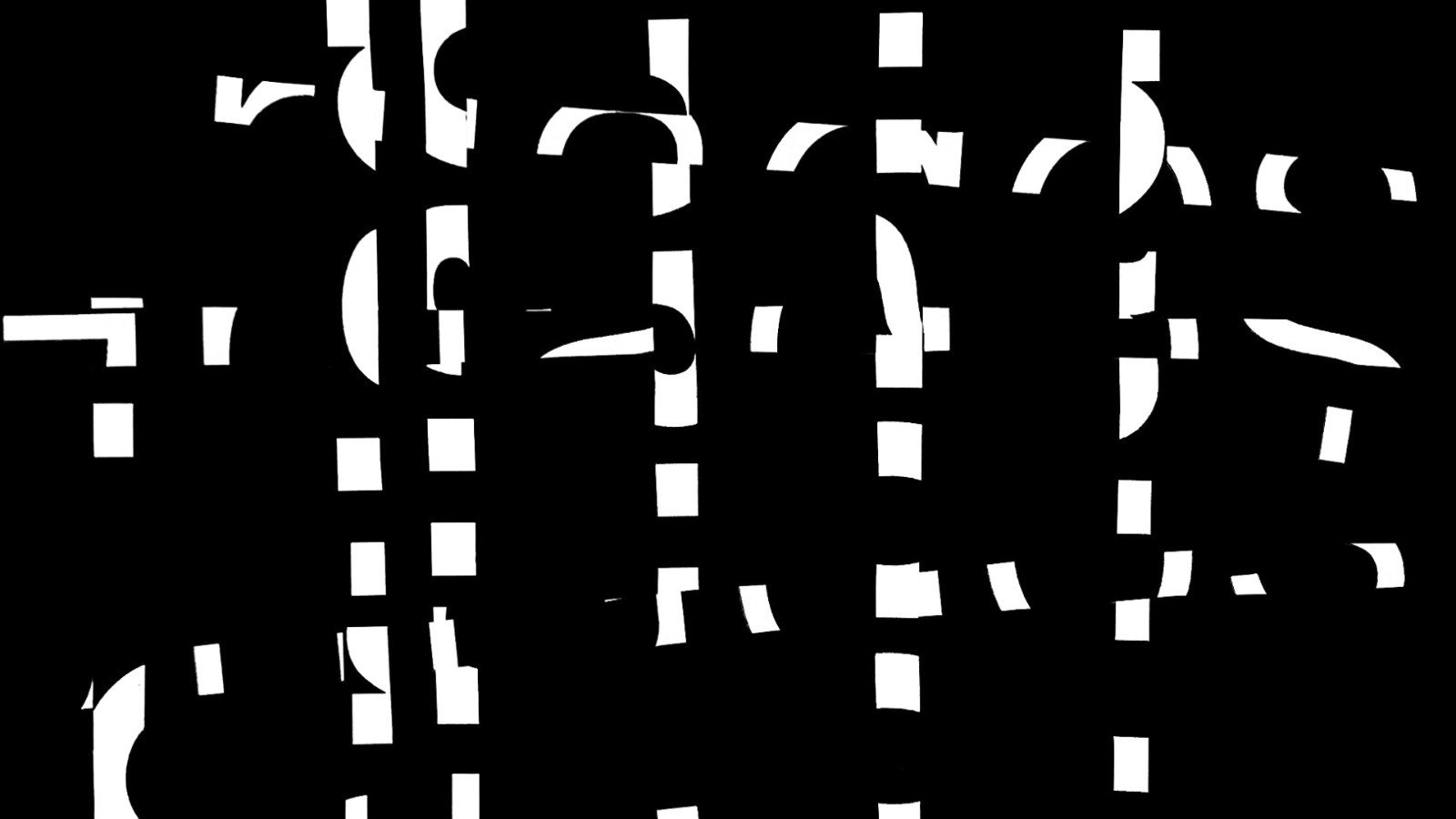
As the video progresses, the human body begins to interact with both projections and structures, introducing instability. The typographic forms distort, stretching, blurring, and fragmenting, while the sound shifts towards a more experimental and organic language, inspired by the work of Peter Brötzmann. Through accumulation and resistance, the system is gradually destabilized until the physical collapse of the boxes marks the moment of rupture. Following this break, both image and sound become fully organic, chaotic, and uncontrolled, allowing the “other” choreography to emerge and occupy the space.
The project uses cardboard boxes as modular units to construct a rigid and repetitive visual system, reinforcing the idea of a controlled, mechanized choreography. Projections mapped onto these surfaces create structured compositions defined by rhythm, repetition, and order. This mechanical system is reinforced through sound, initially composed of rhythmic, machine-like elements that emphasize repetition and control.
As the video progresses, the human body begins to interact with both projections and structures, introducing instability. The typographic forms distort, stretching, blurring, and fragmenting, while the sound shifts towards a more experimental and organic language, inspired by the work of Peter Brötzmann. Through accumulation and resistance, the system is gradually destabilized until the physical collapse of the boxes marks the moment of rupture. Following this break, both image and sound become fully organic, chaotic, and uncontrolled, allowing the “other” choreography to emerge and occupy the space.