versus catalogue
versus catalogue
Overview
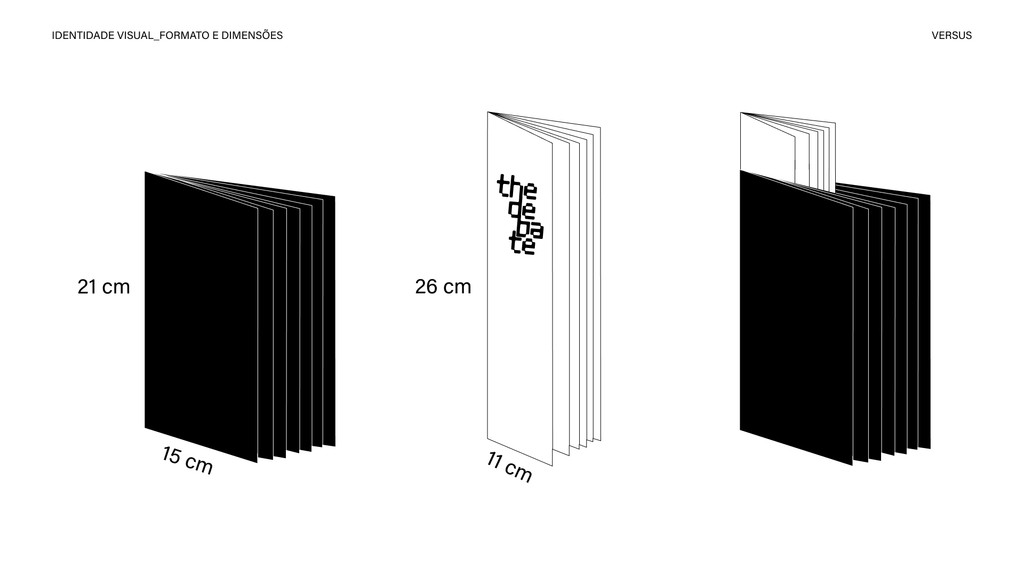
An editorial publication developed in collaboration with Inês Almeida, from the manifesto Design and Reflexivity by Jan van Toorn, expanding into the ideological and formal debate between Jan van Toorn and Wim Crouwel on the social role of graphic design.
An editorial publication developed in collaboration with Inês Almeida, from the manifesto Design and Reflexivity by Jan van Toorn, expanding into the ideological and formal debate between Jan van Toorn and Wim Crouwel on the social role of graphic design.
Services
editorial design
typography
layout and grid
adobe InDesign
Services
editorial design
typography
layout and grid
adobe InDesign
Year
2025
Year
2025
Timeline
1 month
Timeline
1 month
Subject
Communication Design III - FBAUL
Subject
Communication Design III - FBAUL
About this project
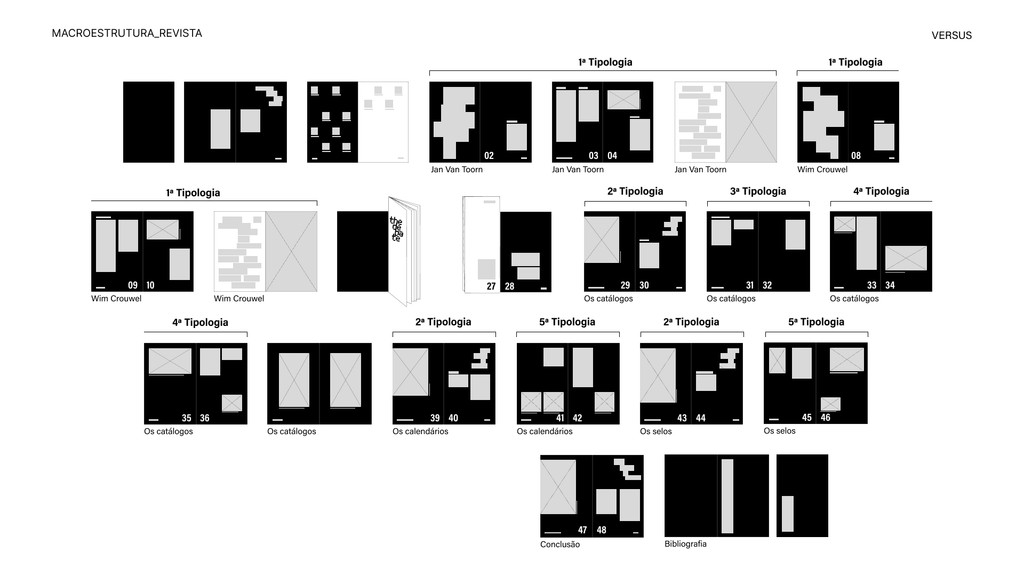
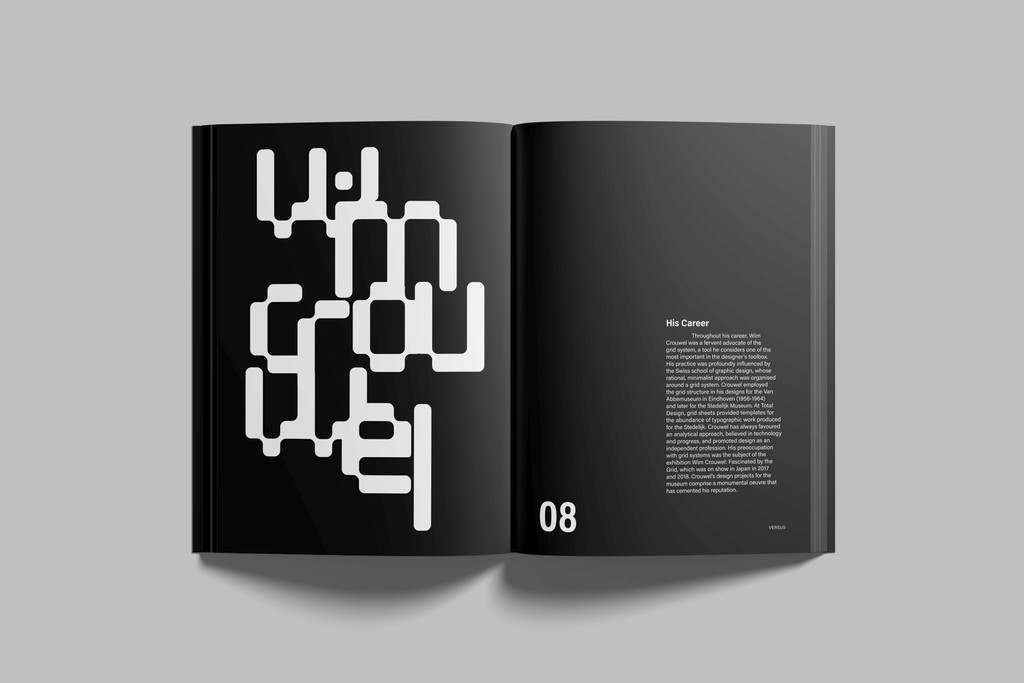
This editorial group project focuses on two of the most influential Dutch designers of the twentieth century: Jan van Toorn and Wim Crouwel. Although working within the same cultural and professional context, they embodied radically opposing visions of what graphic design should represent in society. Through this structure, the magazine stages contrast — historically, ideologically, and visually.
The publication is structured in three parts:
A contextual introduction to both designers and their ideological positions.
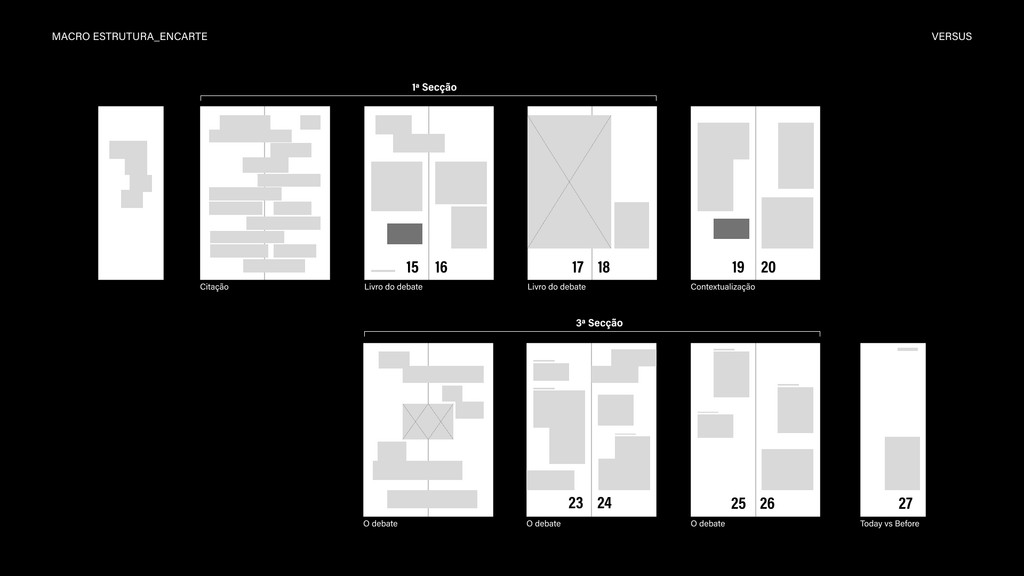
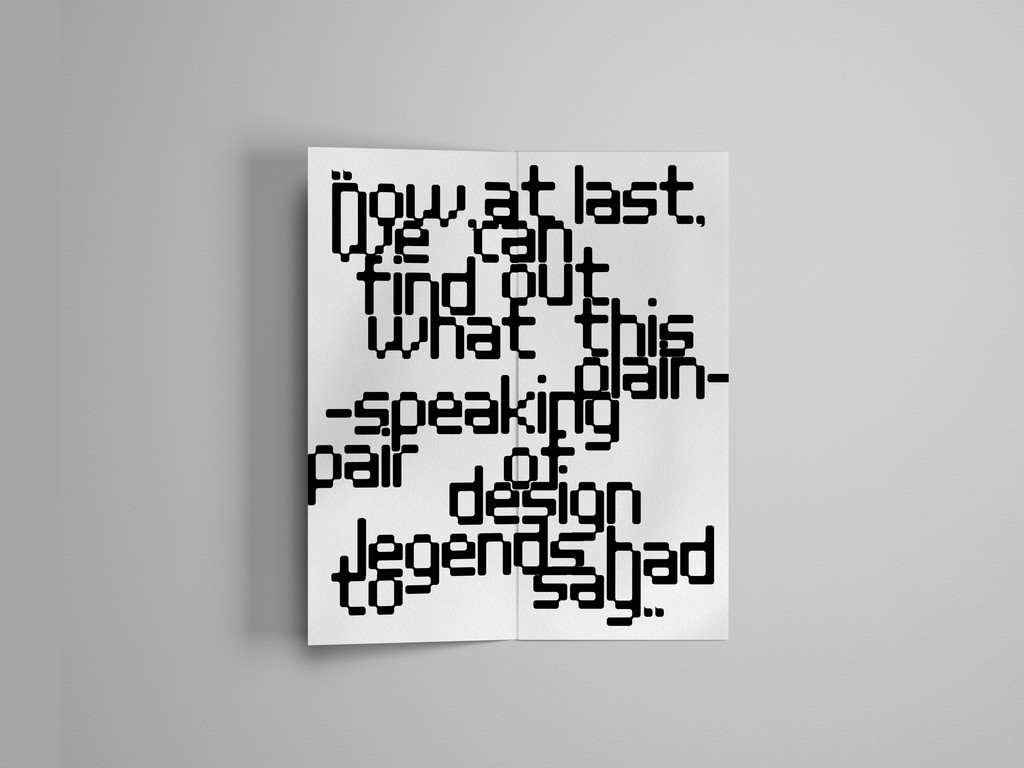
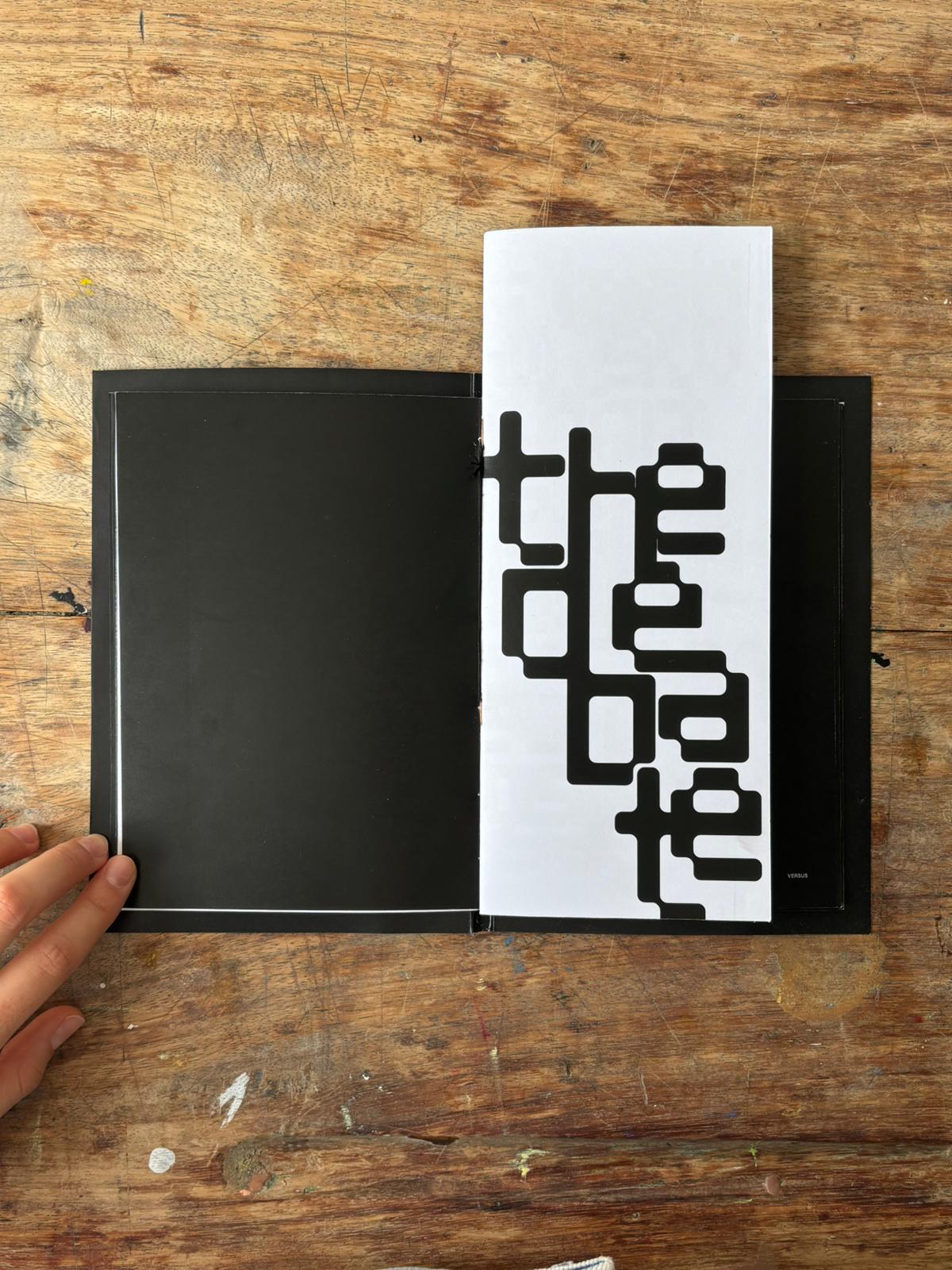
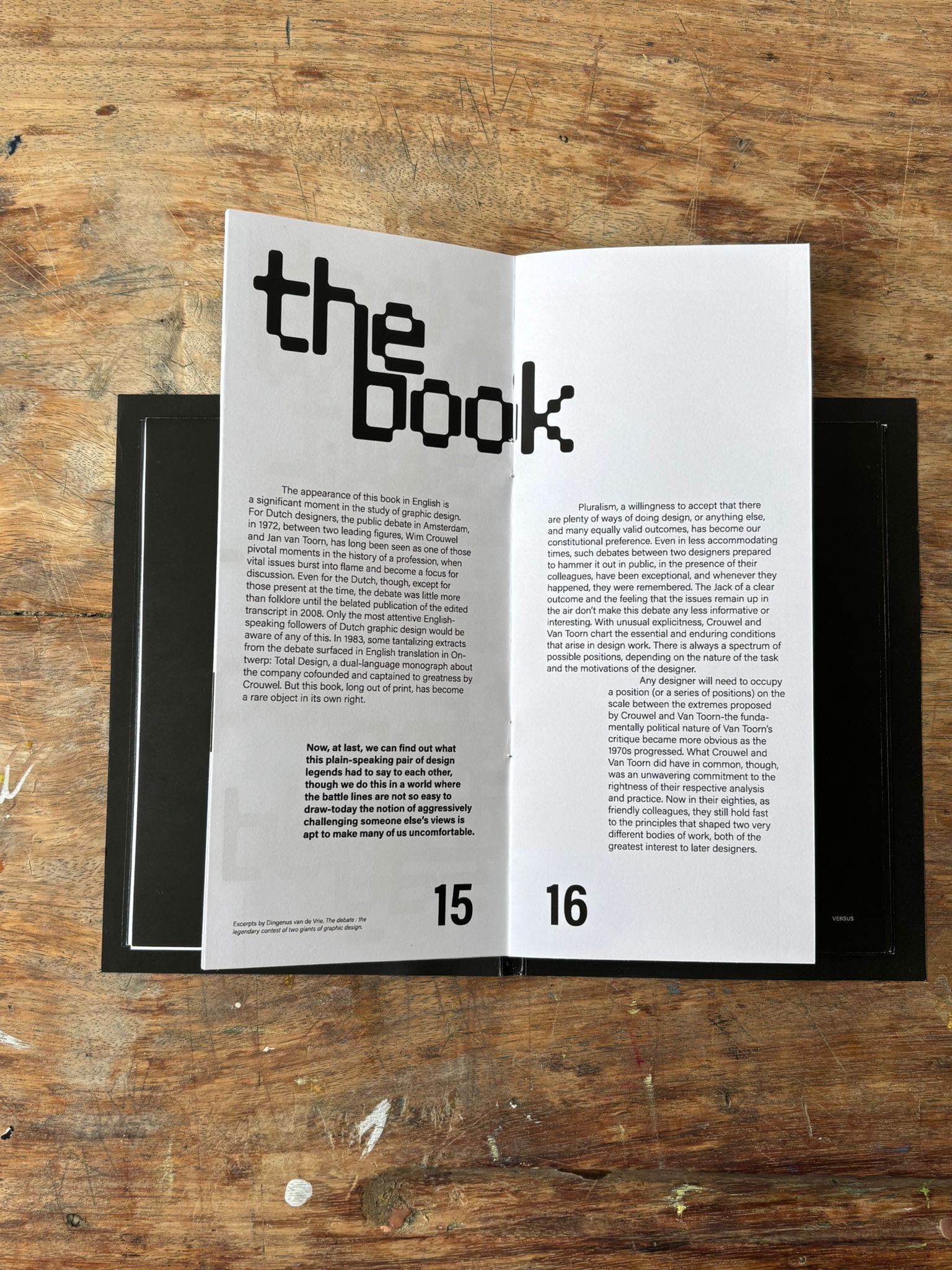
An independent insert titled The Debate, dedicated entirely to the historical confrontation and its relevance today.
A visual comparison of key works produced after the debate, revealing how their contrasting ideologies materialized in radically different formal outcomes.
This editorial group project focuses on two of the most influential Dutch designers of the twentieth century: Jan van Toorn and Wim Crouwel. Although working within the same cultural and professional context, they embodied radically opposing visions of what graphic design should represent in society. Through this structure, the magazine stages contrast — historically, ideologically, and visually.
The publication is structured in three parts:
A contextual introduction to both designers and their ideological positions.
An independent insert titled The Debate, dedicated entirely to the historical confrontation and its relevance today.
A visual comparison of key works produced after the debate, revealing how their contrasting ideologies materialized in radically different formal outcomes.
Problem
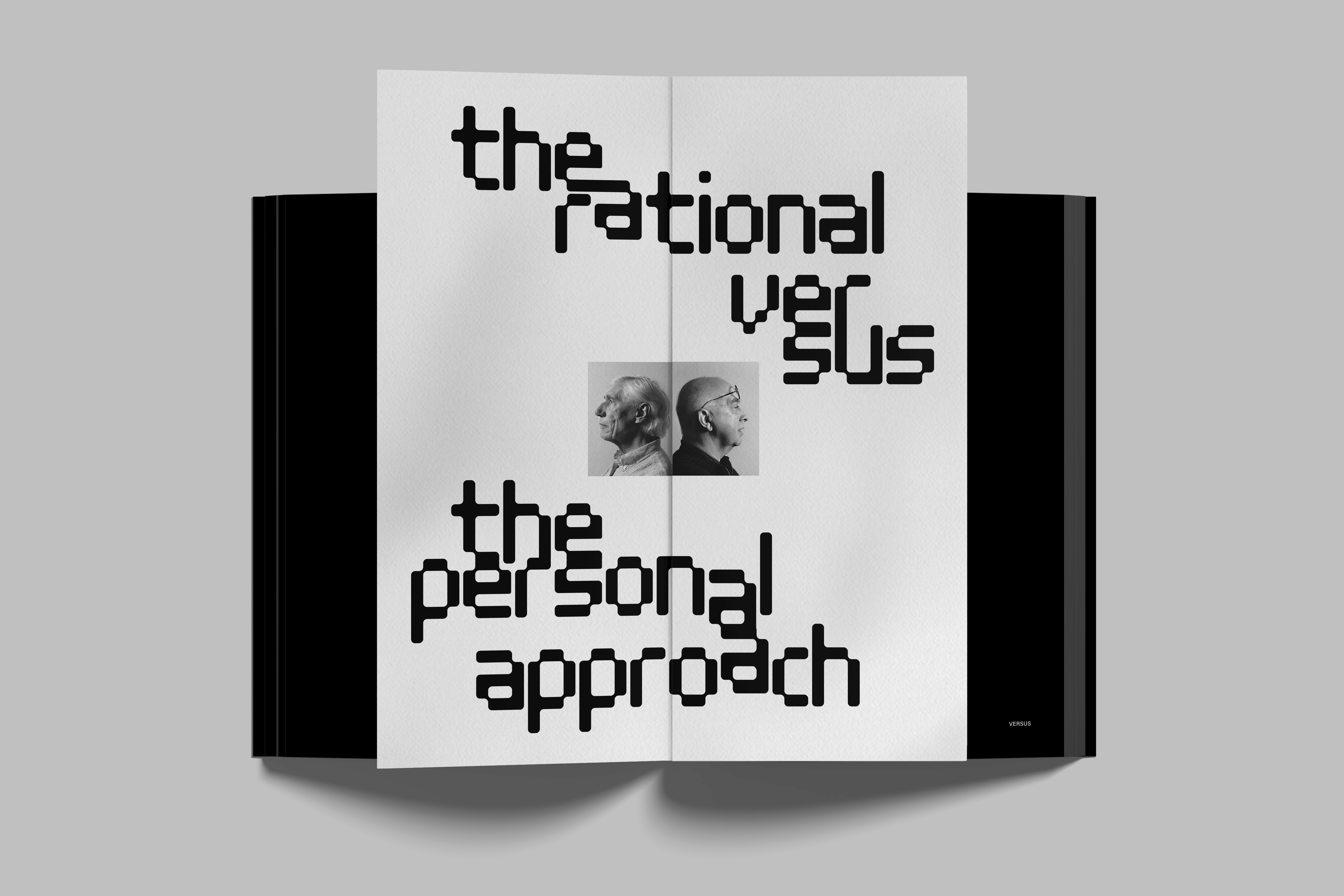
The core problem this project set out to address was not simply to document a historical debate, but to understand how an editorial publication could translate an ideological conflict into visual and structural form.
The challenge, therefore, was how to embody their contrast rather than merely describe it, how to reflect their ideological tension in the editorial structure and how to make the visual language perceptible about their differences in belief systems.
The core problem this project set out to address was not simply to document a historical debate, but to understand how an editorial publication could translate an ideological conflict into visual and structural form.
The challenge, therefore, was how to embody their contrast rather than merely describe it, how to reflect their ideological tension in the editorial structure and how to make the visual language perceptible about their differences in belief systems.
Solution
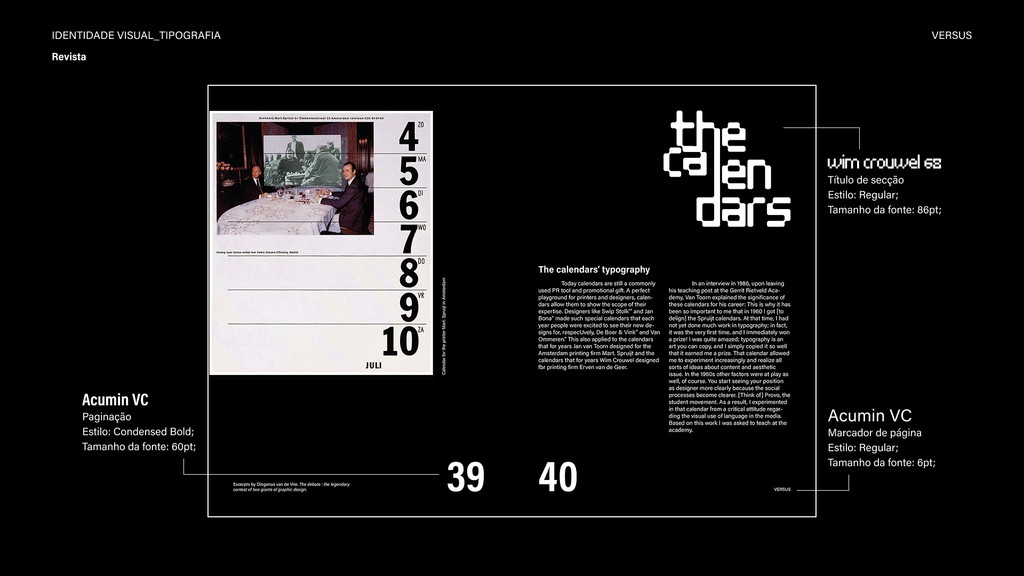
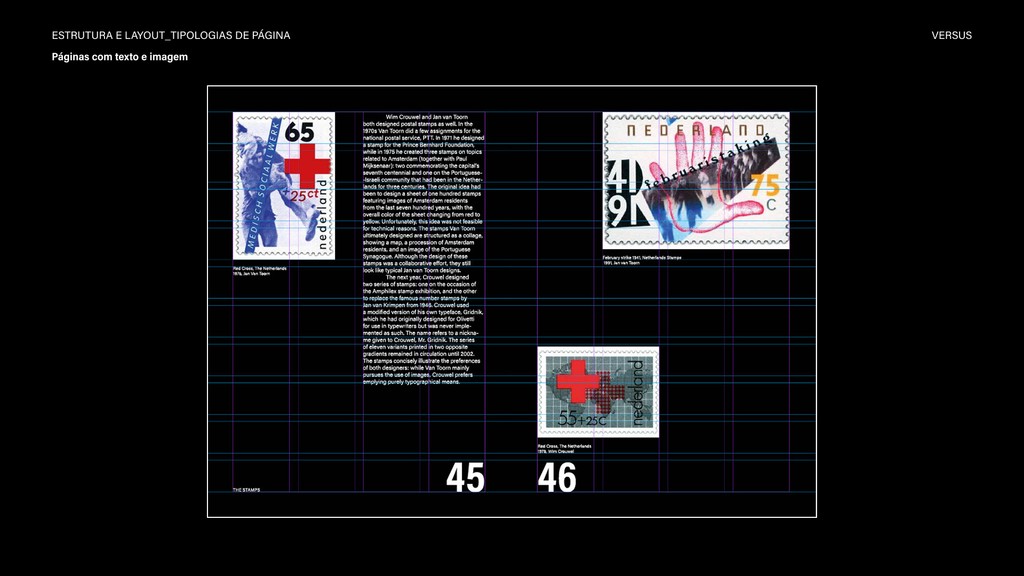
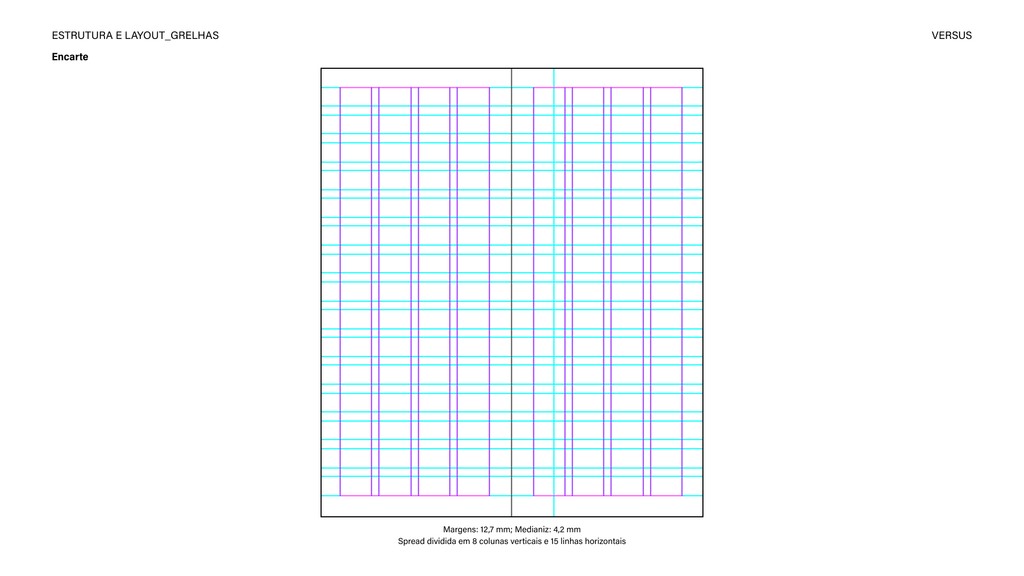
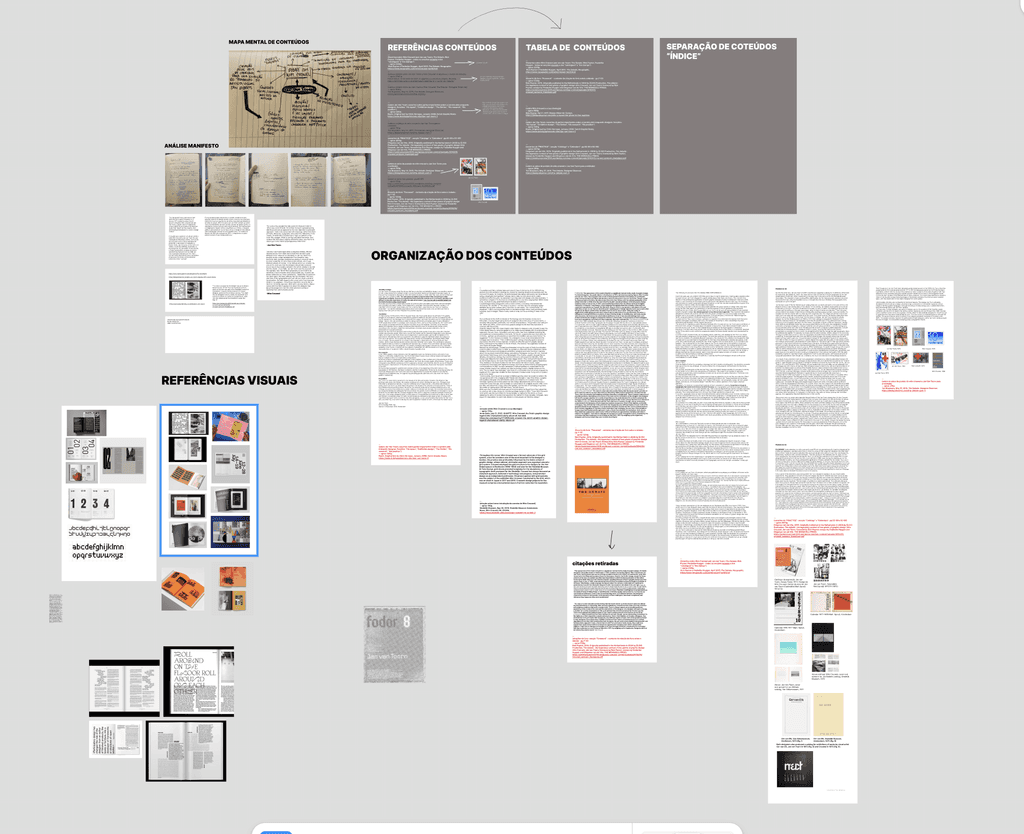
The development process was research-driven and iterative, involving the analysis of more than 20 archival references including interviews, exhibition catalogues and original posters, alongside 8+ layout explorations, typographic system tests and the development of two contrasting grid structures. The visual strategy intentionally mirrored the designers’ opposing philosophies, combining structured modular systems inspired by Crouwel with layered, tension-based compositions influenced by Van Toorn.
Although developed within an academic context, the project was informally tested with peers, where the majority were able to identify the ideological contrast prior to fully engaging with the written content, confirming the effectiveness of the visual translation. The project received a final grade of 19/20, reflecting its conceptual clarity, research depth and coherence between theory and form.
The development process was research-driven and iterative, involving the analysis of more than 20 archival references including interviews, exhibition catalogues and original posters, alongside 8+ layout explorations, typographic system tests and the development of two contrasting grid structures. The visual strategy intentionally mirrored the designers’ opposing philosophies, combining structured modular systems inspired by Crouwel with layered, tension-based compositions influenced by Van Toorn.
Although developed within an academic context, the project was informally tested with peers, where the majority were able to identify the ideological contrast prior to fully engaging with the written content, confirming the effectiveness of the visual translation. The project received a final grade of 19/20, reflecting its conceptual clarity, research depth and coherence between theory and form.